Pet Food Manufacturer - OEM/ODM & Private Label

Private Label Pet Food MOQ: Minimum Orders, Costs & OEM Manufacturing Guide
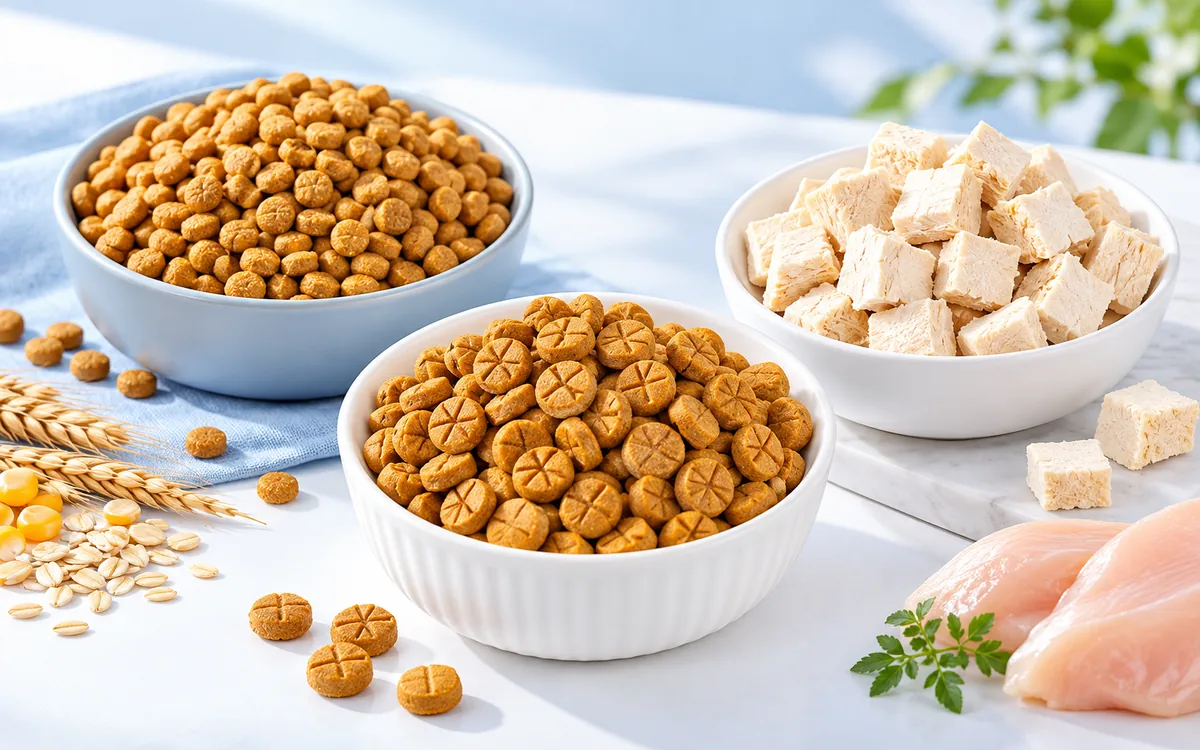
For pet food brand owners, importers, and distributors planning production with a manufacturer in China.
Launching a private label pet food brand involves more than choosing a recipe and designing a package. One of the first questions buyers ask is: What is the minimum order quantity (MOQ) for custom pet food manufacturing?
The answer depends on the product type, manufacturing process, formulation, and packaging requirements.
For a growing brand, ordering too much can tie up cash in inventory. Ordering too little, however, may not meet the minimum production requirements of a factory.
This guide explains how pet food MOQs work, what drives manufacturing costs, and how to plan a practical first order. It also outlines the standard minimum order quantities offered by Hengsheng Pet Food, a China-based pet food OEM/ODM manufacturer.
What Is the MOQ for Private Label Pet Food?
MOQ stands for Minimum Order Quantity. It is the smallest quantity a manufacturer normally accepts for a particular production order.
At Hengsheng Pet Food, our current standard production MOQs are:
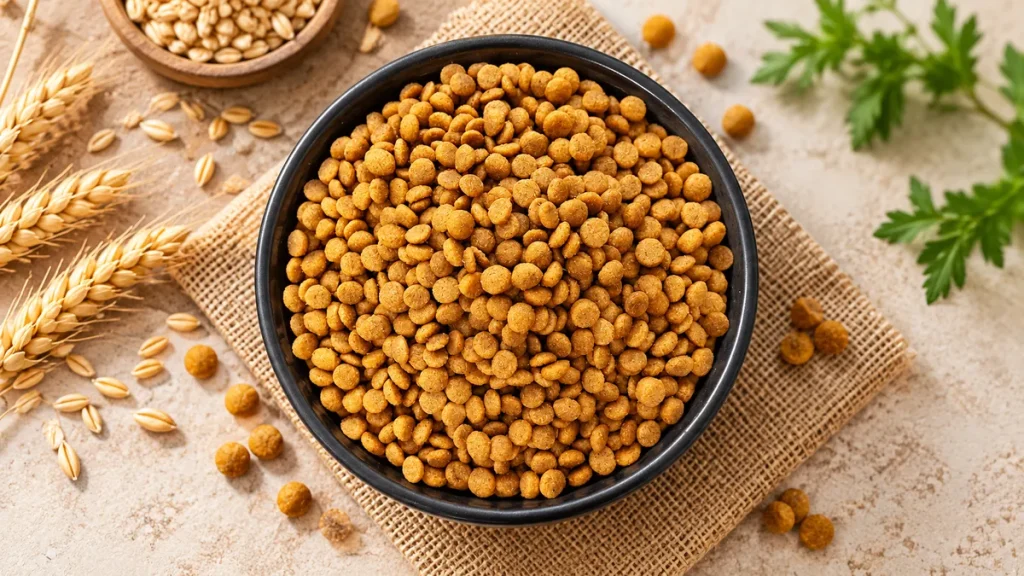
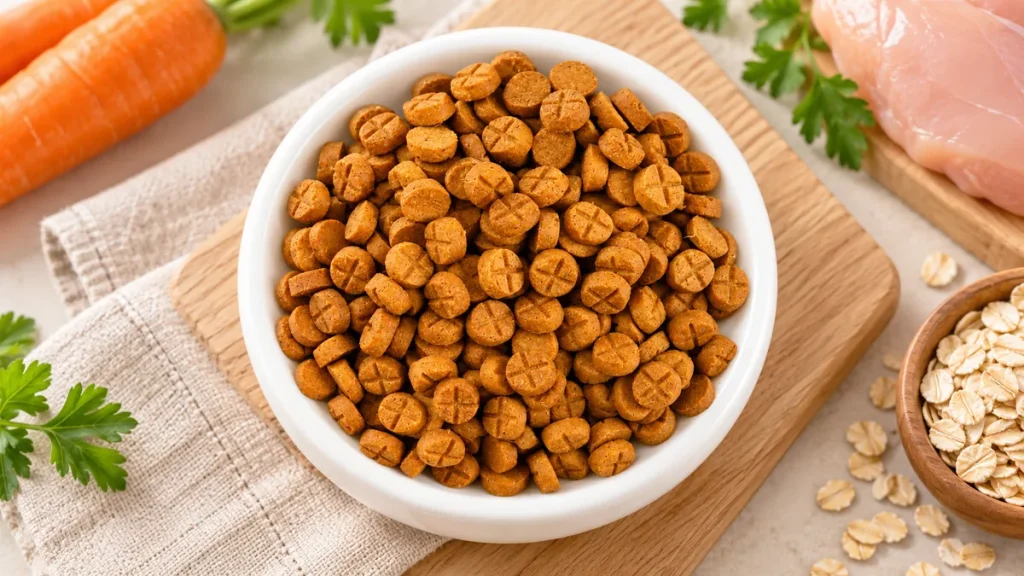
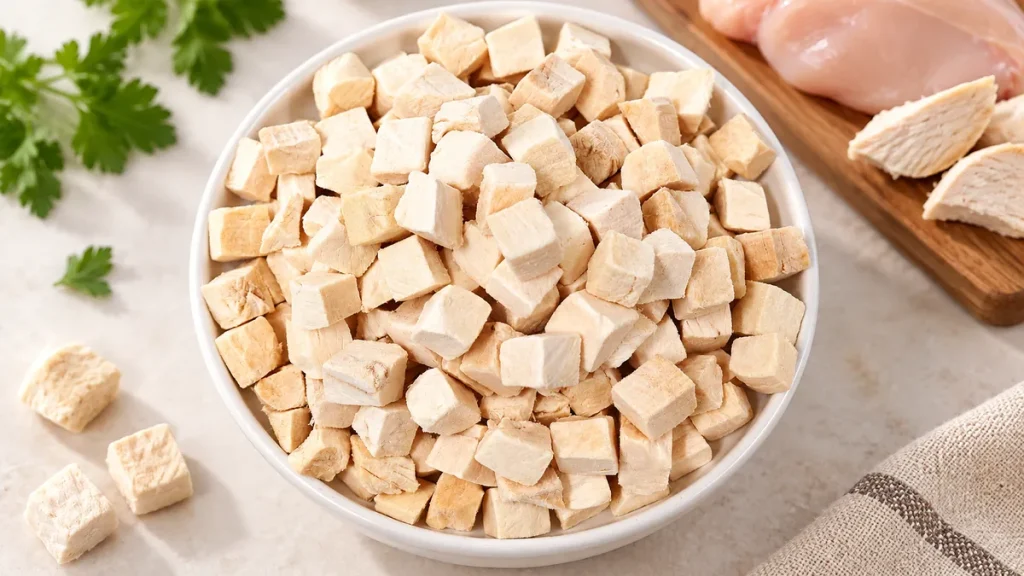
| Extruded pet food | Low-temperature baked pet food | Pet treats |
|---|---|---|
| 3,000 kg (3 metric tons) | 1,000 kg (1 metric ton) | 300kg |
Standard MOQs are subject to formulation, packaging, and individual product specifications. Please contact Hengsheng Pet Food to confirm the requirements for your project.
These figures represent standard starting quantities for the three product categories. Final production requirements depend on the specific formulation, product specification, packaging, and project arrangements.
Other product formats, including wet pet food, should be quoted separately rather than assumed to follow the same MOQ.
Important for buyers: A minimum production quantity is not necessarily the same as a minimum quantity per flavor, packaging design, or finished SKU. These details should be confirmed in the quotation before an order is placed.
Why Do Pet Food Manufacturers Set Minimum Order Quantities?
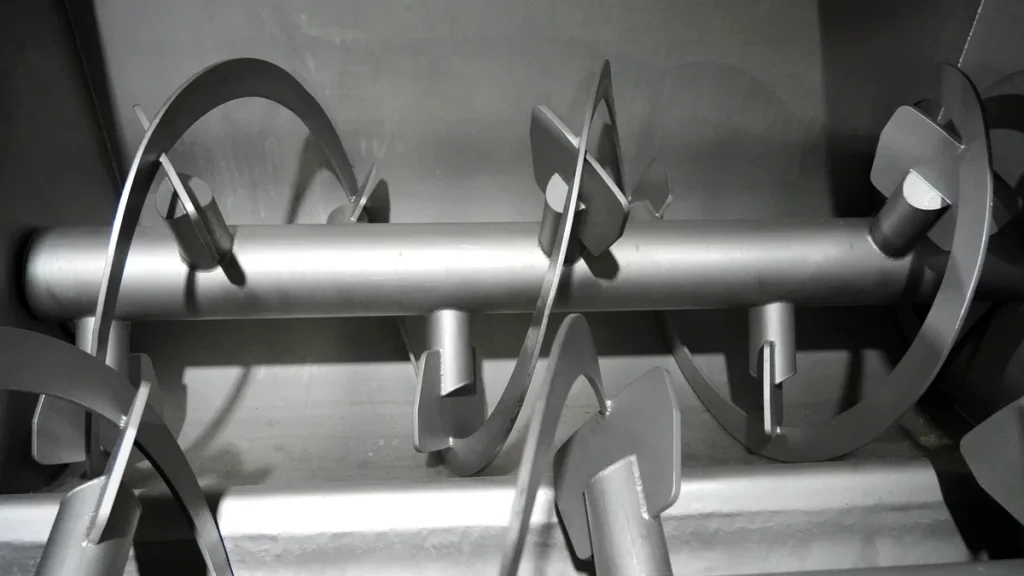
A pet food production run involves several steps before the first finished package is ready.
These may include raw material preparation, formula verification, equipment setup, production scheduling, quality checks, packaging preparation, and final inspection.
Some activities take place regardless of whether the factory produces a relatively small batch or a larger commercial run.
1. Production line setup
Extrusion, baking, and treat manufacturing use different equipment and processing conditions.
Production teams need to prepare and adjust equipment to suit the product formula, moisture content, shape, and processing requirements.
Changing formulas may also involve cleaning, verification, and additional setup time.
For these reasons, a factory generally needs a practical batch size to operate efficiently and consistently.
2. Ingredient purchasing
A customized recipe may require specific animal proteins, oils, vitamin and mineral premixes, or other ingredients.
Suppliers can have their own minimum purchasing quantities, which may affect the feasibility and cost of a small production batch.
Ingredient availability also matters. A formula based on routinely stocked materials may be easier to schedule than one requiring specialized ingredients.
3. Packaging procurement
Custom-printed bags, cartons, labels, and other materials can have their own minimum purchasing requirements.
A brand may meet the food production MOQ but still fall below the packaging supplier’s minimum for a particular design.
This is why food MOQ and packaging MOQ should always be discussed separately.
4. Quality control and production consistency
The factory must manufacture a product that matches the approved specification.
Depending on the product and agreed quality plan, checks may cover ingredients, processing conditions, moisture, packaging integrity, and finished-product testing.
The Pet Food Institute’s manufacturing overview explains the importance of ingredient controls, hygienic production, and safety practices across the manufacturing process.
MOQ is therefore not simply a sales requirement. It is also connected to production planning and the resources needed to make a consistent product.
MOQ for Extruded Pet Food: 3,000 kg
Hengsheng standard MOQ: 3 metric tons (3,000 kg).
Extrusion is a widely used process for producing dry dog and cat food.
During manufacturing, a prepared mixture passes through extrusion equipment, where heat, moisture, pressure, and mechanical energy help form the product. Additional drying, cooling, and other finishing steps may follow.
Extruded food is commonly used for everyday dry pet food lines because manufacturers can develop different kibble shapes, sizes, and formulas.
For buyers planning an extruded product, the main decisions include:
- Target species and life stage, such as adult dog, puppy, or adult cat
- Intended nutritional profile
- Primary protein sources and ingredient preferences
- Kibble size, shape, and texture
- Retail pack weight and packaging format
- Destination market and labeling requirements
Brands can explore our OEM dry dog food manufacturing options to understand the types of customized products that can be discussed.
Buyer tip: Before requesting a price, define your formula and packaging requirements as clearly as possible. A request for “three tons of premium dog food” is less useful than a request specifying the target animal, nutritional requirements, ingredients, bag size, and destination country.
MOQ for Low-Temperature Baked Pet Food: 1,000 kg
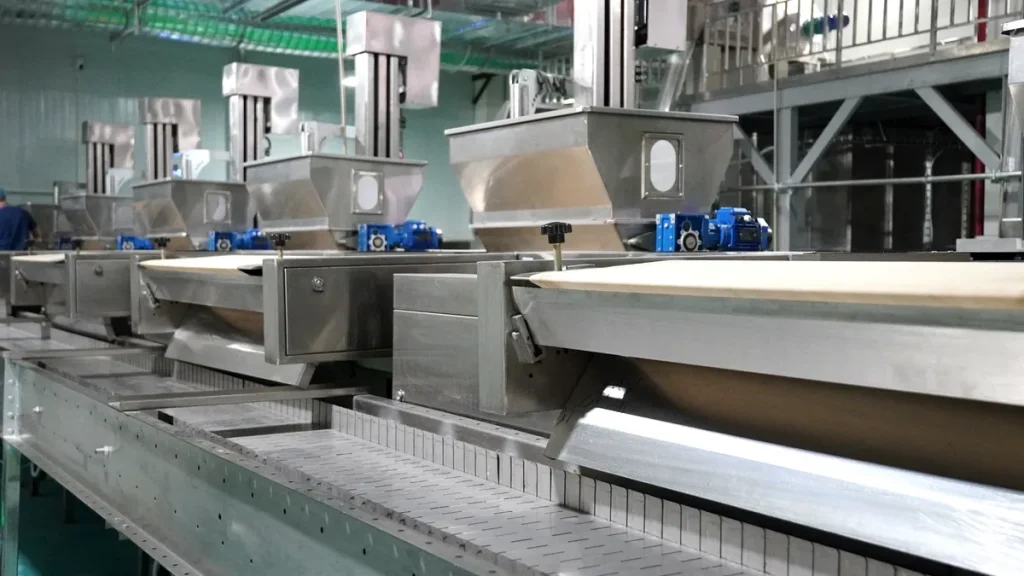
Hengsheng standard MOQ: 1 metric ton (1,000 kg).
Low-temperature baked pet food is another option for brands developing dry food ranges.
Unlike extrusion, baking uses a controlled heating process to produce the finished food. The appropriate temperature, processing time, moisture conditions, and product structure depend on the formulation and equipment.
For some brands, baked pet food offers an opportunity to introduce a different texture or product concept alongside conventional dry kibble.
However, processing methods should not be compared using broad claims such as “baked food always retains more nutrients” or “baked food is always more digestible.”
Actual nutritional outcomes depend on the recipe, processing conditions, and finished-product evaluation.
Our detailed low-temperature baked pet food guide explains the manufacturing process and the main considerations when comparing baking with extrusion.
Buyers interested in a specific product can also review our OEM low-temperature baked dog food page.
What should a baked pet food buyer confirm?
Before placing an order, ask about the proposed recipe, nutritional specifications, kibble dimensions, moisture targets, packaging, and appropriate testing.
A product intended to serve as a complete daily diet must also be evaluated against the nutritional requirements applicable to its intended market and life stage.
The lower starting production quantity may make baked food worth considering for a focused product launch. Nevertheless, the total project cost still depends on ingredients, packaging, testing, and other specifications.
MOQ for Private Label Pet Treats: 300 kg
Hengsheng standard MOQ: 300 kg.
Pet treats can be an attractive category for a brand introducing new flavors, reward products, or complementary feeding options.
However, the term pet treats covers a wide range of products, and manufacturing requirements may differ.
When planning a private label treat line, buyers should provide details such as:
- Treat type and processing method
- Animal protein or other key ingredients
- Preferred size, shape, and texture
- Packaging weight
- Number of flavors or product variations
- Intended animal species
- Destination market
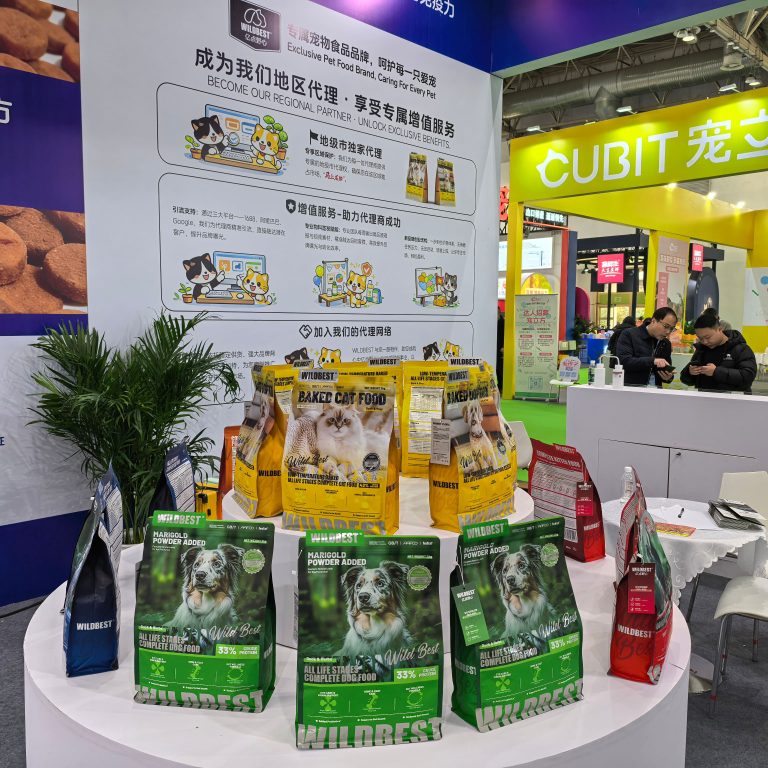
Hengsheng’s WILDBEST range includes examples of finished treat products, such as freeze-dried chicken treats.
This product is useful as a reference for discussing format and retail presentation; the actual manufacturing arrangement and MOQ for a new private label treat should be confirmed independently.
Are pet treats the same as complete pet food?
Not necessarily.
Many treats are intended for complementary or occasional feeding rather than as a complete daily diet.
For the US market, the AAFCO pet food labeling guide explains how labeling and nutritional adequacy requirements differ between complete foods and products identified as snacks or treats.
Brand owners should establish the product’s intended use before approving its formula and labeling.
How Much Does Private Label Pet Food Manufacturing Cost?
There is no single reliable manufacturing price that applies to every private label pet food project.
Two buyers ordering the same weight of pet food may receive different quotations because their formulas, packaging, specifications, and commercial requirements are different.
A useful quotation should separate the major cost components.
| Cost component | What can affect the price? |
|---|---|
| Ingredients | Protein source, ingredient ratios, sourcing, and specialty materials |
| Formulation | Existing recipe, adjustments, or new product development |
| Manufacturing | Product format, processing requirements, batch size, and finishing |
| Packaging | Bag material, size, printing, labels, cartons, and number of designs |
| Quality control | Agreed tests, inspections, and documentation |
| Logistics | Delivery terms, shipment volume, destination, and freight method |
Formula complexity
A recipe containing specialized ingredients or a particular nutritional specification may cost more than a simpler formulation.
Ingredient selection should also support the product’s nutritional purpose and target price positioning.
For example, a premium adult cat food and a standard adult dog food may have different formulation requirements even if both are sold in dry-food bags.
Packaging design
Packaging is part of the manufacturing budget, not merely a final design expense.
A fully printed bag may involve printing setup and minimum material quantities. A standard bag with an approved label may involve a different purchasing arrangement.
The right option depends on the brand’s presentation requirements, packaging compatibility, order volume, and market regulations.
Testing and documentation
Testing requirements should be agreed before production.
The buyer should determine what evidence is required to support the product specification and claims, as well as the import and retail requirements of the destination market.
Depending on the project, documentation may include specifications, relevant test reports, certificates of analysis, and shipment-related documents.
The exact scope should be confirmed with the manufacturer rather than assumed to be included in every quotation.
How Does Custom Packaging Affect MOQ?
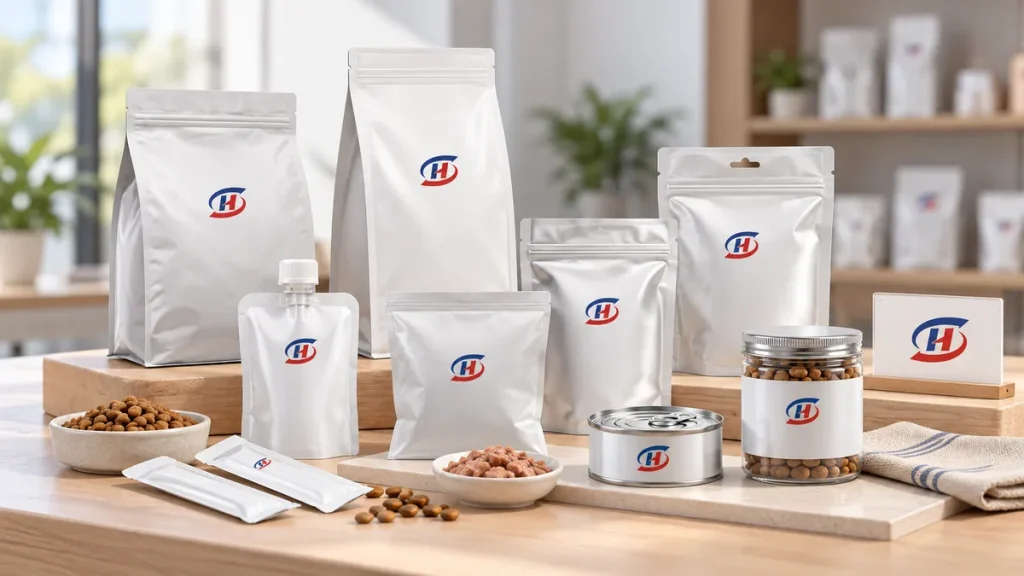
A common misunderstanding is that meeting the food production MOQ automatically guarantees that any packaging design can be produced in the same quantity.
In practice, food production and packaging procurement may operate under separate minimums.
Consider a brand requesting one formula in several bag sizes.
Although the contents may use the same recipe, each bag size can require different packaging materials, artwork, and production arrangements.
Likewise, two products with different formulas may require separate manufacturing batches even if they use the same style of bag.
Standard packaging vs. fully printed bags
Standard packaging with a custom label may be worth discussing when a brand wants a simpler launch arrangement.
Fully printed packaging may be preferable when the brand requires a distinctive retail presentation, but it can introduce additional material and printing commitments.
Neither option automatically guarantees a lower total cost. Buyers should compare quotations based on the actual packaging specification.
Before approving packaging, confirm the material structure, dimensions, sealing method, labeling content, carton configuration, and minimum purchasing quantity.
Also clarify what happens if the packaging supplier’s MOQ exceeds the quantity required for the first food production run.
Can Different Flavors Share One MOQ?
This is one of the most important questions for brands planning a multi-product launch.
Do not assume that several formulas or flavors can automatically be combined to reach one minimum production quantity.
Different recipes may need separate material preparation, processing adjustments, or quality verification.
The same issue can arise when changing product shapes, ingredient specifications, or packaging arrangements.
For example, a buyer planning chicken and salmon recipes should request confirmation of the MOQ for each recipe rather than assuming both can share one production batch.
The factory may be able to discuss how multiple approved products are scheduled or shipped, but combining products in one shipment does not necessarily eliminate their separate production MOQs.
At Hengsheng, the feasibility of a mixed-flavor or multi-SKU order should be reviewed against the buyer’s actual product plan.
How to Start a Private Label Pet Food Brand Without Overcommitting
A new brand does not necessarily need to launch a large product collection immediately.
A more practical approach is to focus on a clear target customer and a manageable initial range.
Step 1: Choose a focused product category
Decide whether your first launch should center on extruded dry food, baked pet food, or treats.
Consider the customer’s needs, intended retail positioning, selling price, and distribution channel.
Step 2: Limit the number of initial formulas
Each additional recipe may introduce separate ingredients, production arrangements, artwork, testing, and stock management.
Starting with a focused range makes it easier to evaluate early sales and customer feedback.
Step 3: Set your target specifications
Prepare a brief explaining the intended animal, life stage, product characteristics, ingredient preferences, and target market.
If you already have a benchmark product, describe the characteristics you want to achieve. Avoid requesting an exact copy of another brand’s proprietary formula.
Step 4: Discuss samples before mass production
Samples help buyers assess product appearance, texture, and other characteristics before approving a larger order.
Sample evaluation alone does not replace appropriate nutritional assessment, product testing, or compliance checks.
Step 5: Confirm both food and packaging commitments
Ask the manufacturer to identify the finished-food MOQ, packaging MOQ, potential setup costs, and any other minimum commitments.
This helps avoid surprises after the formula and artwork have been approved.
Step 6: Plan inventory around realistic sales
Think beyond the first purchase price.
Consider where the inventory will be stored, how products will be distributed, the available shelf life at shipment, and how quickly you expect to reorder.
A lower unit price is not always the better commercial decision if the order creates unnecessary inventory risk.
What Quality and Compliance Documents Should Buyers Ask For?
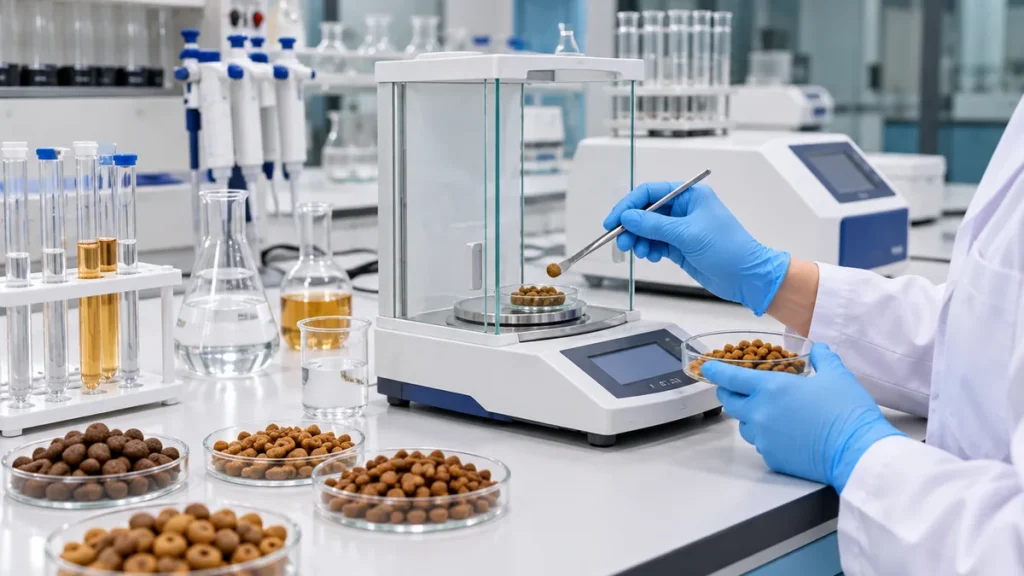
MOQ and price are only part of the purchasing decision.
A reliable sourcing process should also address food safety, traceability, labeling, and the nutritional suitability of the finished product.
Useful questions include:
- What specifications will be approved before production?
- What controls are applied to incoming ingredients?
- How are production batches identified and traced?
- What finished-product tests are included?
- Can the manufacturer provide agreed inspection or test documentation?
- What information is needed to prepare a compliant label?
- Who is responsible for confirming import and market-entry requirements?
For buyers supplying the United States, the FDA’s explanation of “complete and balanced” pet food provides important background on nutritional adequacy.
For European product development, the FEDIAF Nutritional Guidelines provide a reference for formulating and evaluating complete and complementary dog and cat foods.
These references do not mean that a product is automatically approved for sale in a specific country. The final formula, ingredients, claims, labeling, manufacturing arrangements, and applicable legal requirements must still be reviewed for the intended market.
What Information Should You Send a Pet Food Manufacturer for a Quotation?
The quality of a quotation often depends on the quality of the initial inquiry.
Before contacting a supplier, prepare the following information:
| Information | Example |
|---|---|
| Product type | Extruded dog food / baked cat food / pet treats |
| Target animal | Adult dog, puppy, adult cat, etc. |
| Formula preference | Chicken-based, fish-based, or other specified recipe |
| Nutritional requirements | Target protein, fat, or other relevant specifications |
| Packaging | Retail weight, bag style, and branding needs |
| Quantity | Estimated order volume for each proposed product |
| Destination | Country where the product will be imported and sold |
| Labeling | Language and market-specific requirements |
| Commercial terms | Requested delivery terms and destination port |
| Timeline | Preferred product launch or delivery schedule |
If some details are still undecided, explain your priorities and ask the manufacturer which options require a technical review.
A clear brief makes it easier to compare quotations and determine whether a proposed product is practical for your budget.
Why Work With Hengsheng Pet Food?
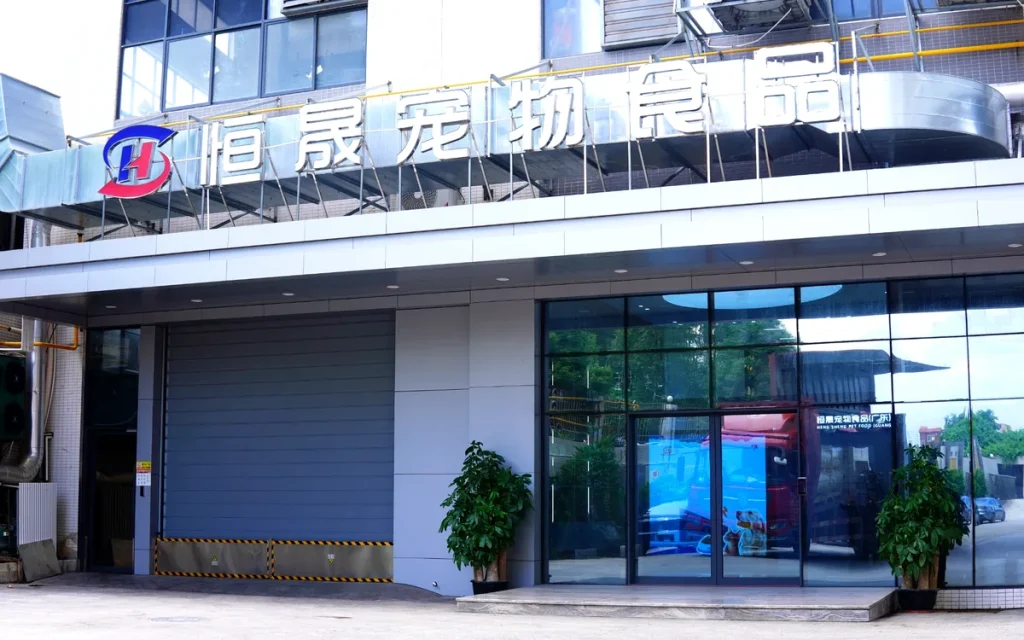
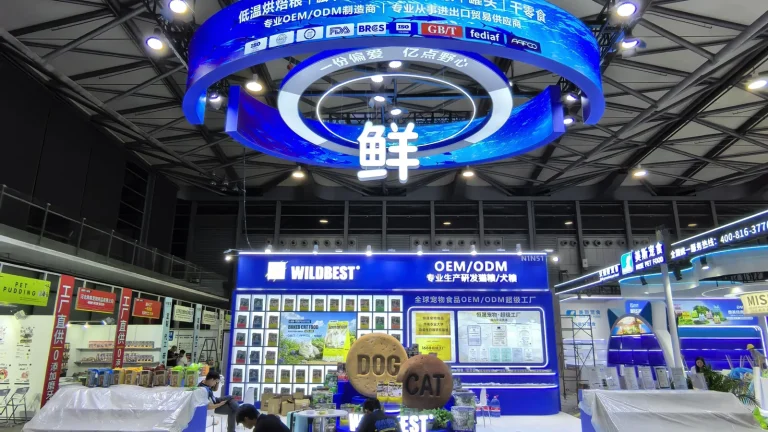
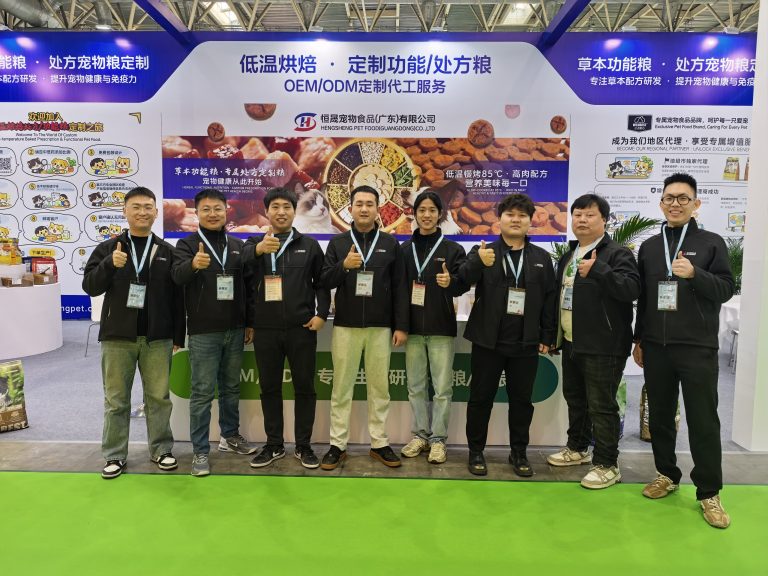
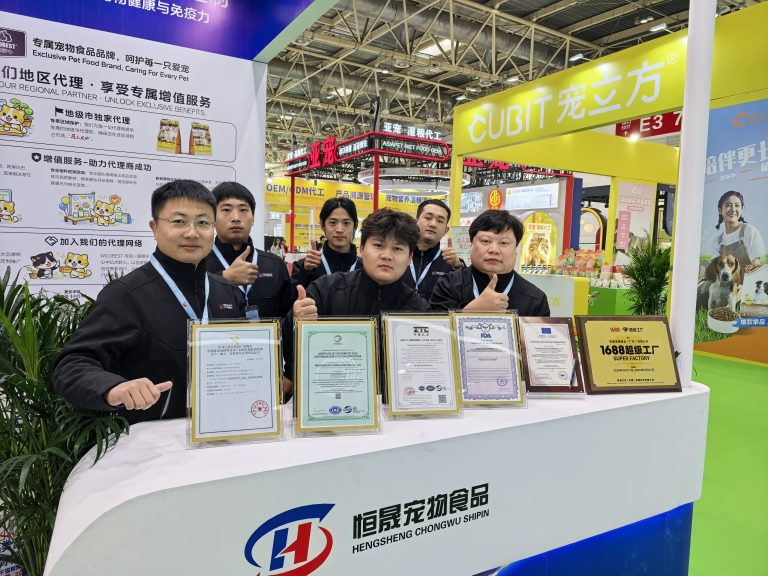
Hengsheng Pet Food (Guangdong) Co., Ltd. is based in Foshan, China, and provides pet food manufacturing and OEM/ODM services for international brands, importers, and distributors.
Our business covers different pet food categories, including extruded dry food, low-temperature baked pet food, and pet treats.
For brands planning a new product, the discussion can include formulation requirements, processing options, packaging preferences, and order planning.
Our current standard manufacturing MOQs are 3,000 kg for extruded pet food, 1,000 kg for baked pet food, and 300 kg for pet treats, subject to the specifications of the proposed project.
Learn more about Hengsheng Pet Food and our manufacturing capabilities.
Frequently Asked Questions About Private Label Pet Food MOQ
What is the minimum order quantity for private label dog food?
At Hengsheng Pet Food, the current standard MOQ is 3,000 kg for extruded pet food and 1,000 kg for low-temperature baked pet food. The applicable minimum depends on the selected manufacturing process and project specifications.
What is the MOQ for private label cat food?
MOQ depends on the cat food format and manufacturing process. For extruded or baked dry pet food, Hengsheng’s standard production MOQs are 3,000 kg and 1,000 kg respectively. Wet cat food should be quoted separately.
Can I customize the formula?
Hengsheng offers OEM/ODM formulation discussions based on customer requirements. The feasibility of a particular formula depends on nutritional objectives, ingredient availability, manufacturing compatibility, and market requirements.
Can I combine different flavors into one order?
A shipment may contain multiple products, but that does not automatically mean different formulas can share one production MOQ. Provide the proposed flavors, formulas, and quantities so the manufacturing team can review the arrangement.
Does the MOQ include custom-printed packaging?
Not necessarily. Food production and custom packaging may have separate purchasing minimums. Both should be confirmed in the quotation.
Can I request samples before ordering?
Yes. Buyers can discuss available samples and any required product development or evaluation arrangements before moving to commercial production. Sample availability, charges, and shipping costs should be confirmed for the specific request.
How long does private label pet food production take?
Production timing depends on the formula, ingredient availability, packaging procurement, order size, and production schedule. Ask for a project-specific timeline after the main specifications are confirmed.
Is a lower MOQ always better?
No. A smaller order may reduce initial inventory exposure, but buyers should also compare total costs, packaging commitments, freight, quality requirements, and anticipated reorder frequency.
Conclusion: Start With a Clear Product Plan, Not Just an MOQ Number
Minimum order quantity is an important part of private label pet food sourcing, but it should not be evaluated in isolation.
A good manufacturing plan considers the product formula, processing method, packaging, quality requirements, inventory risk, and destination market together.
For buyers sourcing from China, understanding these factors makes it easier to compare factories and request meaningful quotations.
At Hengsheng Pet Food, our standard production starting points are:
- Extruded pet food: 3,000 kg
- Low-temperature baked pet food: 1,000 kg
- Pet treats: 300 kg
The next step is to turn your product idea into a practical manufacturing brief.
Start Your Private Label Pet Food Project
Planning to launch your own pet food brand or expand an existing product range?
Contact the Hengsheng Pet Food OEM/ODM team to discuss your proposed formula, order volume, custom packaging, and destination market.
Hengsheng Pet Food (Guangdong) Co., Ltd.
Tel: +86-15322270596
WhatsApp: +86-182-3011-9927
Email: info@hengshengpet.com
Website: https://hengshengpet.com/
Share your product requirements with our team for a project-specific quotation.